Table Of Content
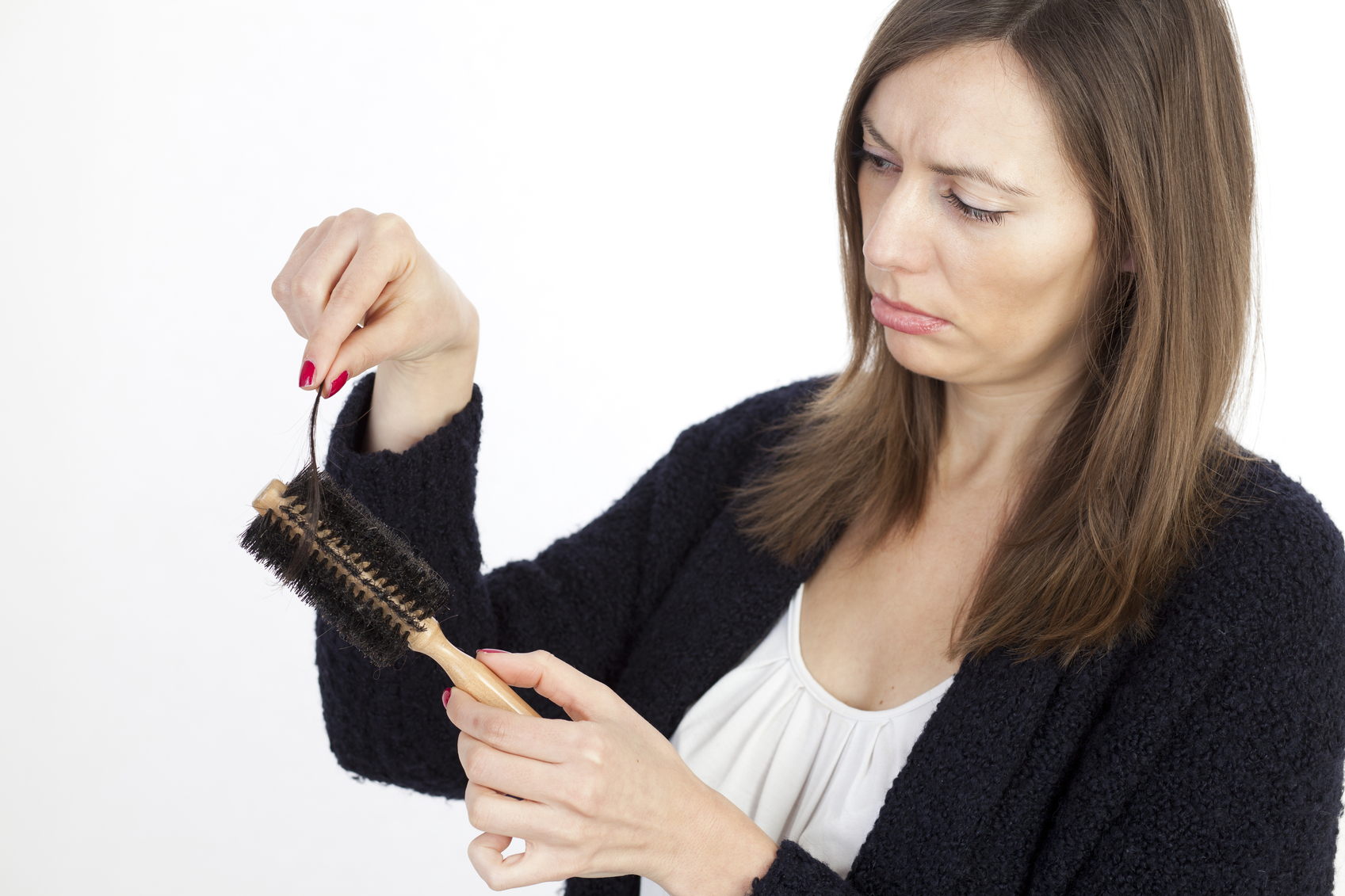
She is board certified in naturopathic endocrinology and trained in clinical sexology. Dr. Brighten is an international speaker, clinical educator, and medical advisor within the fem-tech community. Supplements can help fill nutrition gaps by providing key nutrients for hair growth. A quality multivitamin, like Women’s Twice Daily by Dr. Brighten provides valuable micronutrient support through this stage of life.
Hormonal Hair
It is not cheap at £315 for a six week course, but is very well regarded with many trichologists and hair surgeons recommending the treatment. Most experts recommend every 48 hours as optimum for a healthy scalp. Overwashing strips the hair of its natural protective oils which can cause an overgrowth of ‘bad’ bacteria. When scalp health came to the fore some years ago, the analogy was simple; If you want the best flowers to grow in your garden, you nourish the soil. And boom, the scalp care market exploded, with an influx of products, treatments and ingredients. Most hair-loss plans, according to Morrell, are slow to show results and can require a minimum of three to six months to produce any noticeable change.

Avoid harsh products
If your scalp is dry or irritated, you'll have much more difficulty combating hair loss. One way to ensure your scalp stays hydrated and balanced is to limit your washes to every other day (or every few days if you choose). See a dermatologist as soon as possible when you notice hair loss.
Plus, get a FREE copy of the Best Diets for Cognitive Fitness.
These things will be familiar to many women going through menopause, said Dr. Shilpi Khetarpal, a dermatologist at Cleveland Clinic. About half of menopausal women notice accelerated hair loss and changes in texture at this life stage, according to a recent study. Oral prescription drugs have been shown to help with female pattern hair loss. These drugs have been approved for use in other conditions, but are used by doctors “off-label” for FPHL, according to the American Academy of Dermatology Association (AAD).
Does biotin help menopausal hair loss?
Hair Thinning Because of Menopause? These Tips Can Help - Franklin County Free Press
Hair Thinning Because of Menopause? These Tips Can Help.
Posted: Sun, 17 Sep 2023 07:00:00 GMT [source]
Female pattern hair loss may begin before the official onset of menopause, one year after the final period. It may begin in late perimenopause as estrogen and progesterone levels decline. The most common topical treatment for hair regrowth is minoxidil. This topical solution is effective in both men and women, and it works by opening potassium channels to stimulate hair growth. Artificial chemicals found in dyes and perms can compromise your scalp and hair health.
By definition, menopause occurs when menstrual periods have stopped for at least 12 months. However, the hormonal drops that cause hair loss can begin years before menopause is official (perimenopause) and last long after the change is complete (postmenopause). Inspired by the natural evaporating effect of sunlight and wind, Zuvi uses light and warm airflow to dry only the moisture droplets on the surface of the hair, protecting the scalp from overheating or drying. Similarly the innovative Ghd duet styler quickly dries each hair shaft directly from wet to straight without blasting any heat onto the scalp.
Does Everyone Experience Hair Loss During Menopause?
Testosterone is absolutely essential to women's health, but if your body has a preference for converting it to DHT, you may experience more hair loss. This is why it's important to monitor the loss of hair you're experiencing before and after starting treatment. Additionally, using natural or prescription agents that reduce DHT production can be beneficial in some cases. Your doctor should be able to guide you in the best medical treatment options for you. As estrogen and progesterone decline in late perimenopause and into the postmenopausal years, hair growth is slowed.
If you swim, make sure to wear a swimming cap, as chlorine can contribute to hair breakage. When out in the sun or the wind for extended periods of time, it’s important to wear a hat to protect your hair from drying and breakage. Many women have unpleasant symptoms during menopause, including hot flashes, mood swings, and insomnia. Dr. Rahman is a board-certified OB-GYN who has tailored her practice, Center for Gynecology and Cosmetics, to meet the needs of women for gynecologic and cosmetic services.
Men's Health
But there are many factors that can contribute to iron deficiency, including heavy periods that may have been present years leading up to menopause. It's important to have testing to understand if this is a contributing factor for you. Hair loss is multifactorial, which means even if there are some genetic markers, your lifestyle may still play a significant role in preventing and treating hair loss. The enzyme known as 5-alpha reductase is responsible for the conversion to DHT. Saw palmetto, nettle root, and topical rosemary oil are natural DHT blockers. We'll discuss those shortly, along with medications your doctor may recommend.
To come, a few at-home-friendly options to consider adding to your hair care routine. With minoxidil, you might also see hair growing in places other than your scalp (cheeks and forehead, for example). Wash your face after you apply minoxidil and make sure you avoid other areas when you apply it. Minoxidil may irritate your scalp and cause dryness, scaling, itching and/or redness.
Minimize the use of high-heat styling tools, hair extensions and harsh treatments like perms. Avoid hairstyles like tight buns and braids that pull on your scalp, potentially causing traction alopecia. A variety of treatments have been developed to help regrow hair and thicken existing hair on patients with alopecia, dermatologists say. Their effectiveness largely depends upon what type of alopecia you have and how quickly you start treatment.
This type of shedding is called telogen effluvium hair loss, and it’s the main type of hair loss experienced by menopausal women. As my hormones settled down and I got closer to menopause, my hair loss slowly began to reverse. Say you're already experiencing a bit of hair loss or thinning during menopause, perimenopause, or really any time in your life—you'll want to focus on regrowth, which may take some targeted treatment. It’s important to talk to your healthcare provider before starting any form of treatment for hair loss. Some types of treatment aren’t safe to use if you’re pregnant, planning on becoming pregnant or going through menopause. A healthcare provider will do a thorough examination and take a detailed history to understand changes in your hair growth.
Menopause-related hair loss can occur in other parts of the body as well. Many females notice hair growth slows or stops on their legs, arms, and armpits. Even your eyelashes and eyebrows may thin out during menopause.
But if you have really unruly hair, Ellsworth suggests an in-salon keratin treatment, which seals the cuticle layer. “It’s going to make your hair more manageable and easier to blow out at home,” she says. Talk to your doctor if you are experiencing significant hair loss and you think that your medication might be the cause.
We do not offer individual medical advice, diagnosis or treatment plans. For personal advice, please consult with a medical professional. Walking, cycling, dancing, and hiking are low-impact options than can help keep your stress levels down.
If you are in your 40s or 50s and haven’t noticed signs of hair loss or have noticed minimal ones, now is the time to put prevention strategies in place. Saw Palmetto Plus by Dr. Brighten is expertly formulated for women to support androgenic balance. When you understand the root cause of hair loss, many herbal options support menopause symptoms and hair health. Herbs and phytonutrients, including turmeric, red clover, pumpkin, mulberry, quercitin, saw palmetto, and may be options for improving hair thickness and texture. But in many cases of hormonal hair loss, there is a diffuse pattern of thinning and loss that may not make someone an ideal candidate for hair transplantation.


No comments:
Post a Comment